Boudoir Photography: Overcoming Client Anxiety
- Get link
- X
- Other Apps
Boudoir Photography: Overcoming Client Anxiety
Client anxiety is one of the most common parts of boudoir photography, and pretending it is rare usually makes the problem worse. A lot of people walk into a boudoir session feeling exposed before a single photo is taken. They worry about their body, their facial expressions, their posture, their skin, what to wear, whether they will look awkward, whether they made a mistake booking the shoot in the first place. Some of them are excited too, but the nerves are still there. Sometimes quietly. Sometimes very obviously.
That anxiety matters because it shows up in the photos if it is not handled well. Tight shoulders. Stiff hands. Forced smiles. Guarded expressions. Rigid posture. A client can be beautifully styled, standing in flattering light, and still look uncomfortable if the emotional side of the session has been ignored.
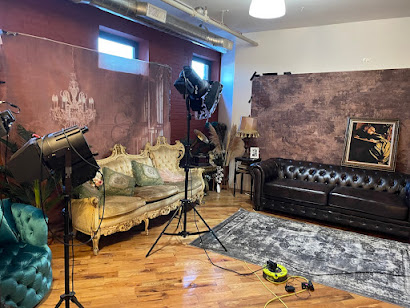
A boudoir studio like Your Hollywood Portrait makes it clear that most clients are not experienced models, that posing guidance is part of the process, and that the environment is meant to be private, supportive, and personalized. That kind of setup matters because client anxiety in boudoir is not something you solve with one reassuring sentence. It is something you manage through structure, pacing, communication, and trust.

Anxiety is normal in boudoir, not a sign that something is wrong
This is the first thing that needs to be understood. Anxiety before a boudoir session does not mean the client is too insecure for the experience or that they made the wrong decision. It usually means they are doing something intimate, unfamiliar, and emotionally loaded. That is a very normal reason to feel nervous.
A lot of first-time clients assume they are the only ones feeling this way. They are not. Studios that work with boudoir clients regularly know this already. The stronger ones build their whole process around it. When a studio says most of its clients have never done a photoshoot before and that the photographer guides all poses and expressions, that is already an anxiety-reduction strategy. It tells the client they are not expected to arrive already knowing how to do this.
That matters. Anxiety gets worse when people think they are failing at something they were never supposed to know automatically.
The biggest mistake is treating anxiety like a personality problem
Some photographers act as if nervous clients just need to loosen up, smile more, or trust the process without explanation. That is lazy. Boudoir anxiety is usually not about the client being difficult. It is about the client not yet feeling safe, clear, prepared, or in control.
A person who is nervous in a boudoir session is usually reacting to a few predictable things:
- they do not know what the session will feel like
- they are worried about how their body will look
- they are afraid of looking awkward
- they are unsure what the photographer expects from them
- they do not know whether they will have any control over the final images
- they are stepping into a very personal experience with someone they may barely know
If you treat that like a bad attitude problem, you will lose them fast. Anxiety needs handling, not judgment.
Most anxiety can be lowered before the shoot even starts
A lot of the work should happen before the session day. That is where expectations are set. That is where uncertainty gets reduced. That is where the client starts feeling like they are walking into something structured instead of something vague.
This is why preparation matters so much. A good boudoir process explains what the client should bring, how long the session will take, whether hair and makeup are included, what kind of guidance will happen, how the images are reviewed, and what level of privacy they can expect. When those details are clear, the client spends less time imagining everything that might go wrong.
That kind of preparation also helps with smaller stress triggers. Outfit planning. Timing. Beauty prep. Whether they can bring a support person. Whether they need to practice poses. Whether they should expect to be told exactly what to do. When answers are clear, anxiety has less room to grow.
Privacy is one of the fastest ways to reduce anxiety
Boudoir does not work well if the client feels observed in the wrong way. Privacy is not just a nice touch. It is basic infrastructure. A private, controlled, predictable environment gives the client a chance to stop scanning for embarrassment and start paying attention to the session itself.
This means more than simply having a room with a door. It means the client knows who will be present, whether anyone else will enter the space, where they can change, where their belongings go, and how much of the environment is actually under control. If that part feels messy or vague, anxiety stays high no matter how friendly the team is.
A calm room matters too. Too many people, too much chatter, too many sudden changes, too much visual clutter. Those things can make a client feel watched, managed, or overwhelmed. Boudoir clients usually do better in spaces that feel intentional and contained.
Professional hair and makeup help with anxiety more than people realize
People often talk about hair and makeup as a beauty step. It is also an emotional transition step. It gives the client time to arrive gradually. They are not immediately being photographed. They have time to sit, settle, talk, breathe, adjust, and begin feeling taken care of.
That matters because anxiety is often highest right before the session actually begins. A good styling stage creates a buffer. It also helps the client feel more polished and camera-ready without having to carry all of that alone. When hair and makeup are done well, the client usually starts to feel like they belong in the shoot instead of feeling underprepared for it.
The process matters here too. A mirror helps. Feedback helps. Being able to say this lip color feels too bold or I want softer curls helps. Anxiety drops when the client is not just being styled passively, but actually participating in the look.
Clear direction is one of the strongest anti-anxiety tools in boudoir
A nervous client should not be left alone inside a pose. That is where overthinking explodes. If the photographer says almost nothing and expects the client to somehow perform confidence, the session usually gets harder.
Good direction is specific and calm. Not theatrical. Not vague. Just useful.
Turn your shoulder slightly.
Bring your chin forward a little.
Relax your hands.
Shift your weight back.
Hold the robe there.
Breathe out.
Good. Stay there.
That kind of communication does two things at once. It improves the photo, and it gives the client something concrete to focus on besides their anxiety. Specific direction pulls people out of self-consciousness and into action.
Silence can be a problem here. Not always, but often. A nervous client sitting in silence while a photographer keeps shooting may assume something is wrong. They may think they look bad. They may start editing themselves mid-session. Boudoir usually works better when the photographer stays present and communicative.
Start with easier setups, not the most vulnerable ones
This is another common mistake. Some sessions begin too aggressively. The client is immediately pushed into the most revealing outfit, the boldest pose, or the most emotionally exposed kind of image before any trust has had time to build. That can backfire badly.
A better approach is to start softer. Use an outfit or layer the client already feels good in. A robe. A bodysuit. A shirt. A slip. Something manageable. Let the early part of the session function as a warm-up. Not because those images will not matter, but because confidence often builds gradually.
When a client sees that they can do this, that they are being guided well, that the first images are working, the anxiety usually starts to loosen. Then the more direct or vulnerable setups become easier. Not easy for everyone, but easier.
Outfit anxiety is real, and it affects everything
Clients worry about what to wear more than many photographers realize. They worry a piece will not fit, will be too revealing, will make them look worse, will not flatter their body, will feel unlike them, or will look cheap on camera. Those worries matter because clothing affects body confidence fast.
The best way to reduce that stress is to encourage clients to bring pieces they already love and trust, not just things they panic-bought for the shoot. Familiarity helps. Fit helps. Having options helps. Studio accessories can support the look, but the core outfit usually lands better when it feels personal.
If an outfit feels wrong, the client will usually feel wrong in it too. That then affects posing, facial expression, and how willing they are to stay in the moment. Outfit stress is not superficial. It is part of the emotional structure of the shoot.
Showing a few good images can change the whole mood
Some anxious clients benefit a lot from seeing a few early images. Not all of them, but many. The reason is simple. Anxiety distorts perception. A client can feel awkward in a pose that actually looks beautiful. They can assume they look stiff when the camera is reading something much better than they think.
A quick preview can interrupt that false narrative. It shows them the process is working. It gives proof. Once they see one or two strong frames, the rest of the session often gets lighter. Their posture improves. Their face softens. They stop fighting every direction internally.
This only works if the preview is handled carefully. Show them good images, not the in-between transitions. The point is not to create another thing for them to critique. The point is to build trust in the process.
Do not confuse pushing with confidence-building
There is a line between encouraging a client and pushing them too hard. Good boudoir direction helps someone move slightly beyond their comfort zone while still feeling respected. Bad direction bulldozes them.
If the client says an outfit feels wrong, a pose feels too exposed, or a styling choice does not feel like them, listen. Trying to overpower that with positivity usually makes anxiety worse. The client may stop speaking up entirely, which is much worse than hearing a simple no.
Confidence grows better when the client feels they still have agency. They can pause. They can adjust. They can say that does not feel right. They can ask questions. They can shift the pace. That does not weaken the shoot. It usually improves it.
Common mistakes that make client anxiety worse
Rushing the beginning
If the client is thrown into the session without time to settle, nerves stay high longer.
Giving vague instructions
Telling someone to relax or be sexy is not useful direction.
Talking too little
Silence can make anxious clients feel judged or uncertain.
Talking too much
Constant nervous chatter can also make the room feel less grounded.
Ignoring body language
If the client looks increasingly tense, stop and adjust instead of pushing forward blindly.
Starting with the hardest look
A more layered or familiar outfit often works better first.
Overcrowding the space
Too many people in the room can make the client shut down.
Treating feedback like resistance
Client input is not the enemy of a good shoot.
What happens if anxiety is not handled well
The photos usually show it. The client may look guarded instead of open. Their hands may seem uncertain. Their smile may look strained. The poses may read as forced rather than natural. Even technically solid images can feel emotionally off if anxiety is sitting there in every frame.
The experience suffers too. A boudoir session should not feel like something the client survived just to get a few usable photos. If anxiety is mishandled, that is what it can become. They may leave feeling drained, embarrassed, or disconnected from the images, even if some of them turned out well.
That matters because boudoir is not just about visual outcome. It is also about memory. Clients remember how they were treated, how safe they felt, whether they felt listened to, and whether the session built them up or wore them down.
When anxiety is handled well, confidence usually follows
This is the good part. When the environment is private, the process is clear, the styling feels personal, the guidance is strong, and the pace is right, anxiety often softens into something workable. Not always total ease. Not always zero nerves. But enough trust for the client to stay present.
That is usually when the real images happen. The body looks less defensive. The expression gets more honest. The client stops trying to perform what they think boudoir should look like and starts responding to what is actually happening in the room.
That is a much better foundation for good photographs than demanding confidence from the start.
Final thought
Boudoir photography and client anxiety go together more often than people admit. That is not a flaw in the client. It is part of the territory. The real skill is not pretending anxiety should not exist. The real skill is knowing how to lower it.
That means clear prep, privacy, professional styling, manageable outfit choices, calm direction, gradual pacing, useful feedback, and respect for the client’s boundaries. It means treating nervousness like something to work with, not something to get annoyed by. When that happens, the session gets better in every direction. Better emotionally. Better visually. Better for the client, and better for the final images.
Contact us:
Boudoir Photography by Your Hollywood Portrait
2 Prince Street Suite 5014, Brooklyn, NY 11201
646-209-8198
- Get link
- X
- Other Apps


Comments
Post a Comment