How to Incorporate Props into Your Boudoir Session
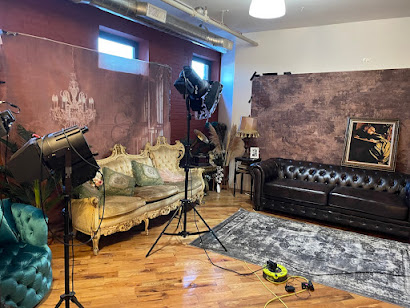
Props can help a boudoir session look more personal, more polished, and a lot less awkward for someone who is not used to being in front of a camera. That is the practical value. They give the hands something to do, they help shape poses, they add texture to the frame, and they can shift the mood without forcing the client to suddenly become a different version of themselves. At the same time, props are easy to misuse. Too many, and the photo starts looking staged in a bad way. The wrong kind, and the image stops feeling intimate and starts feeling cluttered. A boudoir studio like Your Hollywood Portrait clearly treats props as part of the client experience, not as random extras. The studio says clients have access to accessories, props, décor, gowns, and more, while also emphasizing that the session is personalized and guided throughout.
That balance is what matters. Props should support the person in the photo. They should not compete with them. In boudoir, the strongest image is still built around expression, posture, styling, light, and comfort. Props are there to help hold that together.

Start by deciding what the prop is supposed to do
This is the first thing people skip. They pick props because they seem pretty or dramatic, not because they actually solve anything in the frame.
A prop in boudoir usually has one or more jobs:
- it gives the hands something natural to hold
- it adds softness, glamour, romance, or structure
- it helps a nervous client settle into the shoot
- it supports the story or styling direction
- it fills negative space without making the image busy
That is why the prop has to match the intent of the session. On the site, the studio describes boudoir sessions as custom-designed to reflect the client’s style, whether that means sultry and sensual or soft and romantic. That tells you the prop choice should follow the same rule. A feather fan, lace robe, faux fur wrap, or dramatic gown can make sense if the shoot is meant to feel glamorous or theatrical. A simple sheet, oversized shirt, or soft robe may work better if the tone is quieter and more personal.
If you do not decide the function first, the prop usually ends up feeling random.
Use props to reduce awkwardness, especially early in the shoot
A lot of boudoir clients are doing this for the first time. Your Hollywood Portrait says most of their clients have never done a photoshoot before, and that Raya guides all poses and expressions throughout the session. That is important because props can become part of that guidance. A client who feels exposed with empty hands often loosens up when given a robe edge to hold, a sheet to pull around the body, or a fan to partially cover part of the frame. Props can create comfort without killing the mood.
This is one of the most practical reasons to use them. Not because they look fancy. Because they give the client a job. Hold this lace robe at the collar. Let the fan sit low near the hip. Grip the edge of the sheet with one hand and soften the other. That kind of direction is easier to follow than telling someone to just look relaxed.
When props are used well, they can bridge the gap between nervous and natural.
Let the prop match the person, not the photographer’s mood board
This is where many sessions go wrong. The photographer already has a visual idea in mind and starts layering props that fit that idea, even if the client would never choose those pieces for themselves.
The site makes a point of personalization. Clients are encouraged to bring clothes they love so they know they have something that fits and feels right. The studio also says lingerie is very personal and recommends bringing your own, while offering selected items in the studio such as jewelry, lace robes, faux fur wraps, feather fans, wings, gowns, and dresses. That is a good model because it keeps the client’s identity in the center while still offering tools to elevate the look.
A prop should feel like an extension of the client’s taste, not a costume imposed on them. If someone wants something minimal and intimate, a giant dramatic accessory may feel wrong. If someone wants a more stylized Old Hollywood look, then a structured gown, gloves, fan, or statement jewelry can make perfect sense.
The client should still recognize themselves in the final image. That is the standard.
Choose props that photograph well, not just props that look nice in person
A prop can be attractive in the room and still fail on camera. This happens a lot. Something looks luxurious in person, but it creates visual chaos in the image. Maybe it wrinkles badly, reflects too much light, adds bulk in the wrong place, or distracts from the face.
Good boudoir props usually do at least one of these things well:
- catch light in a soft way
- create movement
- frame the body
- add texture without visual noise
- conceal or reveal selectively
- support the pose physically
Lace robes work because they add texture and movement without completely blocking the body. Faux fur wraps can help create softness and richness if used sparingly. Feather fans can hide areas strategically, but they have to be placed carefully or they take over the image. Gowns can create shape and drama, but only if they are arranged with intention. The studio’s note that some dresses can be clipped or left partly unzipped in back because the adjustment will not show on camera tells you something useful about prop logic too. A piece does not need to fit perfectly in real life if it photographs cleanly from the right angle.
That is a very boudoir-specific truth. The camera only sees what you show it.
Do not overfill the set
This is probably the easiest mistake to make. A photographer has access to props, décor, fabrics, jewelry, maybe a chair, maybe a vanity, maybe a bed, maybe wings, and suddenly everything ends up in one frame. That usually weakens the image.
Boudoir needs breathing room. The person in the frame is already carrying the visual weight. Hair, makeup, wardrobe, expression, posing, and lighting are all active elements. Props should layer into that, not smother it.
A better approach is to keep one main prop and maybe one secondary support element. For example:
- lace robe plus simple bedding
- feather fan plus clean lingerie set
- faux fur wrap plus minimal jewelry
- statement gown plus uncluttered background
- chair or bed edge plus sheet or robe
That is enough. Once the eye starts bouncing between too many objects, the intimacy gets diluted.
Use props to create movement and concealment
Some of the most useful boudoir props are the ones that help you control what is seen and what is only suggested. This is one reason robes, wraps, sheets, and fans work so often. They create movement, edges, and partial coverage. That can make a pose feel more elegant and less exposed.
This is also useful for clients who want boudoir images but are not immediately comfortable with very direct posing. Starting with a robe or wrap can help them ease into the session. Since the studio emphasizes that the environment is private, comfortable, and guided, this kind of prop choice fits naturally with that approach. It gives the client more control over how much is revealed while still allowing the images to feel intentional and refined.
That control matters. It often changes how the subject carries themselves.
Props should help posing, not create harder posing
Some props make posing easier. Some make it harder for no good reason.
Good props help with the line of the body. They give the hands direction. They make it easier to angle shoulders, create curves, or soften the frame. Bad props force the client to manage too many variables at once. They worry about holding the item correctly, keeping it in place, hiding a wardrobe issue, and maintaining expression at the same time.
If a prop is making the client tense, get rid of it.
Your Hollywood Portrait puts a lot of emphasis on guidance through the shoot. That is part of why props can work there. A prop is most effective when the photographer actively directs how it is held, draped, gathered, or moved. Without direction, even a beautiful item can end up looking accidental.
Build the prop choices into the shoot flow
Do not save every prop for the middle and do not use every prop at once. Build them into the sequence.
A smart boudoir session often moves like this:
Start simple
Use a robe, shirt, sheet, or something the client already feels comfortable wearing. This warms them up.
Add one styling prop
Bring in jewelry, a lace piece, or a wrap to shift the texture and make the look more polished.
Move into the bolder item
Once the client is more comfortable, introduce the feather fan, gown, dramatic fabric, or statement accessory.
Strip the frame back again
After a more stylized set, go back to something simpler. Sometimes the strongest images happen after the client has relaxed and the props are reduced again.
This kind of progression makes sense with the timing the studio describes, where hair and makeup may take around an hour or a bit more and the shoot itself can last one to two hours depending on package. That gives room to move through a few setups without rushing.
Ask for feedback while you use props
One of the better details on the site is that clients can check the makeup direction during styling using a large mirror, and during the shoot they can ask to look at images on a connected computer to understand the direction and give feedback. That same mindset should apply to props. If a prop is not working for the client, you do not need to force it through five more setups just because it looked good in your head.
Ask simple questions:
- Does this feel like you
- Do you want this look to feel softer or bolder
- Is this fan too much
- Do you prefer the robe open more or closed more
- Do you like how this gown is reading on camera
That kind of check-in keeps the session collaborative. It also prevents the final gallery from being filled with images the client never actually connected with.
Common mistakes when using props in boudoir
Using props with no purpose
If the item is not helping mood, posing, comfort, or composition, it is probably unnecessary.
Letting the prop overpower the client
A prop should support the subject, not become the subject.
Forcing a theme the client did not ask for
Personal style matters more than the photographer’s favorite setup.
Using too many props in one frame
The photo starts feeling busy and less intimate.
Choosing props that are hard to control
If the item keeps slipping, bunching, poking out awkwardly, or requiring constant adjustment, it interrupts the shoot.
Ignoring how the prop photographs
Some things look beautiful in person and weak on camera.
Forgetting the hands
A prop does not solve awkward hands automatically. It still needs direction.
What happens when you do it wrong
When props are handled badly, the images usually feel overstyled or disconnected. The client may look buried under accessories or stiff because they are trying to manage the object instead of being present in the pose. The photo loses focus. Instead of seeing confidence, shape, mood, and expression, the viewer sees clutter.
It can also affect the client experience. If the prop choices feel forced or too theatrical, the client may stop trusting the process. That matters in boudoir, where the whole session depends on comfort, guidance, and feeling seen. A studio that emphasizes a private, comfortable setting, expert direction, and personalized styling is basically saying the experience comes first. Props should fit inside that structure, not work against it.
Final thought
Props in boudoir are useful when they do real work. They can soften the frame, shape the pose, reduce nervousness, support the styling direction, and help the client feel more at ease. But they only work when they are chosen on purpose.
That means picking props that fit the client, fit the mood, photograph cleanly, and stay secondary to the person in the frame. A lace robe, faux fur wrap, jewelry piece, feather fan, gown, or simple sheet can all be strong choices. The difference is in how they are used. With restraint, direction, and a clear point of view, props can elevate a boudoir session. Without that, they just become noise.
Contact us:
Boudoir Photography by Your Hollywood Portrait
2 Prince Street Suite 5014, Brooklyn, NY 11201
646-209-8198


Comments
Post a Comment