How to Create a Comfortable Boudoir Photoshoot Environment
A comfortable boudoir photoshoot environment does not happen by accident. It has to be built before the camera comes out. That means the room, the team, the communication, the timing, the styling process, and the way the photographer guides the session all need to work together. If even one of those pieces feels off, the person being photographed usually feels it right away.
This matters a lot in boudoir because most clients are not professional models. Your Hollywood Portrait says that most of their clients have never done a photoshoot before, that women of any age or size are welcome, and that the session works best when the client can relax and be guided through poses and expressions. The studio also frames the experience around a private, comfortable setting, professional hair and makeup, personalized direction, and high-end retouching that keeps a natural look. That tells you something important. Comfort is not a bonus feature. It is part of the actual product.

Start with privacy, because everything else depends on it
If a person does not feel physically private, they will not fully relax. You can have good lighting, expensive wardrobe pieces, and polished editing later, but if the room feels exposed or busy, the body language usually tightens up. Shoulders rise. Hands get awkward. Facial expressions start looking cautious instead of confident.
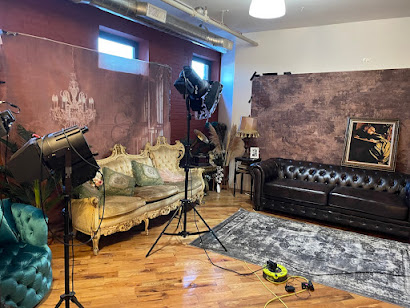
A professional boudoir environment needs a private setting from the start. On the site, the studio describes the experience as taking place in a private, comfortable setting and a luxurious studio environment. That is the baseline. The client should know who will be present, where they can change, whether doors stay closed, whether anyone else is entering the space, and how images will be reviewed afterward. When privacy is clear, people stop wasting energy on self-protection and can focus on the shoot itself.
A lot of photographers miss this by thinking privacy just means having a room. It is more than that. It means the room feels controlled. No random interruptions. No uncertain traffic in and out. No confusion about where personal items go. No feeling that someone might walk in during hair, makeup, wardrobe changes, or posing.
Build comfort before the shoot day, not during it
A comfortable environment starts before anyone arrives. One of the smarter things on the site is how much attention is given to preparation and expectation-setting. Clients are told that most people have never done this before, that they will be guided, that they can send inspiration photos for makeup and styling, that they can bring personal lingerie because fit and style are personal, and that they can even bring someone with them. Those details reduce uncertainty, and uncertainty is one of the main causes of tension in boudoir sessions.
If you want the shoot to feel easy, do the prep work early:
Explain exactly what the client should expect
People are calmer when they know the flow. Your Hollywood Portrait explains that hair and makeup can take around an hour or a little more, while the shoot itself can run one to two hours depending on the package. They also say clients do not need to arrive early and that they will be guided throughout the session. Even practical details like that help. They make the day feel manageable instead of vague.
Tell the client things like:
- how long the appointment lasts
- when hair and makeup happens
- whether posing guidance is included
- whether they can see images during the session
- how many images are typically captured
- when they will review the gallery
- what level of retouching is done
When people do not know what comes next, they fill the gap with anxiety. Usually unnecessary anxiety.
Keep the team small, clear, and professional
Boudoir is not the place for a crowded set. The site talks about having a fun and professional team with a makeup artist and hair stylist, and the photographer positions herself as someone who guides the client through the entire session. That works because each person has a clear role. There is not a vague swarm of people standing around while the client is trying to feel confident in intimate clothing.
A comfortable boudoir environment usually needs only the people who actually contribute to the result. That might be the photographer, one hair and makeup artist, and maybe one support person the client asked to bring. The more bodies in the room, the harder it is to keep the space emotionally calm.
This is where some shoots go wrong. The photographer treats the session like a production set instead of a personal experience. Extra assistants. Extra chatter. Random observers. People checking phones. None of that helps. It can make the client feel watched instead of cared for.
Give direction constantly, but keep it calm
A lot of first-time boudoir clients are not asking for complete freedom. They are asking for structure that does not feel controlling. That is an important difference.
The site repeats this clearly. The photographer says she understands it is most likely the client’s first photoshoot and that she will guide them through the whole session. The preparation page says Raya will guide poses and expressions throughout the shoot. That is one of the strongest comfort signals a boudoir studio can offer. People relax when they do not have to invent what to do with their face, hands, shoulders, legs, or posture every second.
Good guidance sounds like this:
- turn your chin a little
- drop your shoulder
- breathe out
- soften your hands
- look just past me
- hold that
- good, stay there
Short. Clear. Normal. Not too much talking, but enough to keep the client from feeling lost.
A common mistake is silence. Some photographers think silence feels artistic. In boudoir, silence often feels like judgment. The client starts wondering whether they are doing something wrong. Then the discomfort shows up in the frame.
Make hair and makeup part of the comfort system
Hair and makeup are not just aesthetic upgrades. They help people settle in. On the site, professional hair and makeup are presented as part of the boudoir experience, and clients are told they can share inspiration photos so the beauty team can create a natural, smoky, or Old Hollywood look. They also mention a makeup station with a large mirror so clients can see the results as the artist works and give feedback. That is smart because it gives the client participation and control.
That kind of setup helps in a few ways. It gives the person time to adjust emotionally before the camera starts. It lets them feel looked after. It also gives them a chance to say, no, that liner is too heavy, or I want softer curls, before the shoot moves forward.
If you skip that feedback stage, the client may spend the entire session feeling slightly unlike themselves. And once someone feels they look wrong, it becomes much harder to get natural confidence in the photos.
Let the client keep their identity
Comfort drops fast when a boudoir session starts feeling like costume play the client did not ask for. The site handles this well by saying the shoot can be customized to the client’s style, whether that means sultry and sensual or soft and romantic, and that retouching is done in a way that keeps the natural look, including visible skin detail rather than flattening everything.
That matters because many people walking into boudoir are not trying to become a different person. They want a polished version of themselves. They want to feel attractive, but still recognizable.
So a comfortable environment includes asking the right questions:
- Do you want this to feel soft, bold, classic, glamorous, minimal, playful?
- What features do you love in photos of yourself?
- What do you usually dislike?
- What level of retouching feels right to you?
- Do you want more natural makeup or more dramatic?
When those answers shape the shoot, the client feels involved. When they do not, the whole thing can start feeling imposed.
Use wardrobe and props to support confidence, not create stress
The studio says clients should bring their own lingerie because it is personal and because the studio cannot have every size and style. They do offer accessories, robes, faux fur wraps, feather fans, gowns, decor, and more. They also mention that dresses can be clipped or adjusted in ways that photograph well even if the fit is not exact. That is useful because it reduces pressure. The client is not expected to solve everything alone, but they also are not forced into a generic wardrobe that does not feel like them.
Wardrobe is one of the biggest comfort triggers in boudoir. If the pieces dig in painfully, feel too revealing too fast, or do not match the client’s style, the session can go sideways. A better approach is to start with something the client feels good in, then build outward. A robe. A bodysuit. A shirt. A sheet set. A gown. Let the first look be manageable.
That is another place people get it wrong. They push immediately toward the most exposed outfit because they think boudoir has to start there. It does not. A lot of clients loosen up after the first twenty minutes, not the first two.
Show images during the shoot when it helps
One of the strongest practical comfort features on the site is that the photographer’s camera is connected to a Mac computer, and the client can ask to look at the images during the session to understand the direction and give feedback. After the shoot, the client is shown an overview and then sent a same-day link to choose the images they want retouched. That kind of visibility helps people trust the process because they are not being asked to wait in the dark and hope for the best.
For some clients, seeing one or two strong images early changes the whole session. They realize the pose works. The angle works. The expression works. Their fear drops. Their posture improves. The environment feels safer because the result is no longer abstract.
Common mistakes that make the environment uncomfortable
A lot of discomfort in boudoir comes from preventable mistakes.
Rushing the client
If hair, makeup, wardrobe, and posing are rushed, the session starts feeling transactional. That usually kills trust.
Giving vague direction
Telling someone to be sexy or just relax is not useful. Specific guidance is.
Overcrowding the room
Too many people in the space can make the client shut down.
Ignoring feedback
If the client says the outfit feels wrong, the makeup feels heavy, or a pose feels awkward, listen.
Over-retouching promises
If the photographer acts like editing will fix everything later, the shoot starts feeling less honest and less collaborative.
No privacy structure
An elegant studio means very little if the client still feels exposed or uncertain.
What happens when you get it wrong
If the environment is not comfortable, the photos usually show it. The expression looks guarded. The body looks tense. Hands get stiff. Shoulders creep up. Smiles look forced or disappear completely. The client may leave feeling they endured the shoot instead of enjoying it.
That affects more than one gallery. Boudoir is built on trust, referrals, and emotional memory. When the environment is handled well, the client often remembers the experience as much as the images. Your Hollywood Portrait leans hard into that idea by framing the session as a form of self-celebration, confidence, and personal transformation, not just a gift for someone else. That only works if the environment supports it from the beginning.
Final thought
A comfortable boudoir photoshoot environment is not soft in a vague way. It is structured. Private. Guided. Personalized. The client knows what is happening, who is there, how they will be styled, what they can wear, how they will be posed, and how they will see the results. The team stays professional. The room stays calm. The client stays involved.
That is how you get images that look confident instead of defensive. And more importantly, that is how you give someone an experience they can actually feel good about while it is happening, not just after the retouching is done.
Contact us:
Boudoir Photography by Your Hollywood Portrait
2 Prince Street Suite 5014, Brooklyn, NY 11201
646-209-8198


Comments
Post a Comment