Boudoir Photography Lighting: A Comprehensive Guide
Boudoir Photography Lighting: A Comprehensive Guide
Lighting decides whether a boudoir photo looks polished or disappointing before editing even starts. That is the blunt version. You can have a strong pose, good hair and makeup, expensive wardrobe, and a beautiful studio, but if the light is flat, harsh in the wrong places, or inconsistent, the image usually falls apart fast. Skin loses shape. Features look heavier or more washed out than they should. Mood disappears. Sometimes the photo just looks cheap, and it is hard to recover from that later.
That matters even more in boudoir because the whole genre depends on shape, texture, mood, and confidence. Your Hollywood Portrait positions its boudoir sessions around a private, comfortable studio setting, professional hair and makeup, guided posing, personalized direction, and high-end retouched final images. That kind of result depends heavily on controlled lighting. The photographer is not just documenting what is there. She is building a flattering visual structure around the client.

Why lighting matters so much in boudoir
Boudoir is not just portrait photography in lingerie. It is more technical than that. The light has to flatter skin, support the body’s shape, work with fabric textures, and help the subject feel comfortable. It also has to match the tone of the session. Soft and romantic lighting does not behave the same way as moody dramatic lighting. Bright high-key glamour does not behave the same way as low-key shadow-heavy boudoir.
Good lighting does a few things at once:
- it shapes the body without making it look forced
- it flatters the face and skin
- it guides the eye to the important parts of the frame
- it supports the mood of the session
- it reduces how much fixing has to happen later
Bad lighting causes a different list of problems:
- shiny skin in the wrong places
- under-eye shadows that look harsher than they are
- fabric detail disappearing
- posture reading badly
- body lines looking flatter or broader
- skin tone becoming hard to correct in editing
That last part matters a lot. Editing is supposed to refine. It is not supposed to rescue every lighting mistake. Your Hollywood Portrait talks about delivering beautifully retouched images, but the site also makes clear that the experience is guided and professional from the moment the client steps into the studio. That usually means the photographer is doing a lot of the work correctly in-camera first.
Start with soft light before trying anything dramatic
If someone is new to boudoir photography, soft light is usually the safest place to begin. Not because every image should look airy and bright, but because soft light is more forgiving. It smooths transitions across the skin, keeps contrast manageable, and makes it easier to flatter a wide range of faces and body angles.
Soft light can come from:
- a large window with indirect daylight
- a softbox placed close to the subject
- a diffused strobe or continuous light
- bounced light off a large surface
The key is size and distance. Larger light sources generally create softer transitions. Bringing the light closer also makes it wrap more around the body and face. That is useful in boudoir because harsh light can carve out every texture and every tiny angle in a way that is not always flattering.
This does not mean soft light is boring. It can still have direction. It can still have depth. It can still be sensual, moody, and expensive-looking. It just means you are controlling the falloff more gently.
Direction matters more than intensity
A lot of new photographers think the solution is simply more light. Usually it is not. Direction matters more. A badly placed bright light can make a boudoir photo look worse than a well-placed weaker one.
The main lighting directions that matter in boudoir are:
Front lighting
This tends to reduce shadows and can make the image look clean and simple. It can be flattering for beauty-focused close-ups, but it often flattens the body if used too directly.
Side lighting
This is one of the most useful boudoir tools. It creates shape, texture, and contrast. It can define curves, carve out jawlines, and give the body more depth. It also needs care, because too much side light can exaggerate texture or create heavy shadows.
Backlighting
This can look beautiful for silhouettes, glowing edges, and airy moods, especially with sheer fabrics or hair movement. But it is easy to lose facial detail if you do not control exposure properly.
Short lighting
This means lighting the side of the face turned away from the camera more than the side facing the camera. It often slims the face and creates a more sculpted look.
Broad lighting
This lights the side of the face closest to the camera more strongly. It can work in some cases, but it often makes the face look wider, which is not always the goal in boudoir.
If you are after flattering results consistently, side light and short light are usually more helpful than broad flat lighting.
Window light is useful, but not automatically flattering
People talk about window light like it is always perfect. It is not. Window light is useful because it can be soft, directional, and natural-looking. But its quality changes based on time of day, weather, the size of the window, the direction it faces, and where the subject stands.
Good boudoir window light usually works best when:
- the subject is near the window, but not jammed against it
- the light is indirect or diffused
- the body is angled so the light wraps across it
- the background does not blow out too badly
- you expose carefully for skin, not just the whole room
A huge problem with window light is unevenness. One part of the body can be perfectly exposed while another drops too dark too fast. Sometimes that is useful. Sometimes it ruins the image. You have to decide whether you want gentle falloff or whether you are just letting parts of the frame disappear by accident.
Use shadows on purpose
Boudoir does not need every part of the body evenly lit. Actually, that is often a mistake. Controlled shadows are part of what makes boudoir look shaped and intimate. A shadow can slim an arm, define a waist, soften a transition from torso to hip, or push the eye toward the face.
The important phrase here is controlled shadows. Not muddy shadows. Not accidental darkness. Controlled.
Good shadows usually:
- preserve some detail
- support the pose
- work with the expression
- feel intentional in the composition
Bad shadows usually:
- block up completely
- cut awkwardly across joints or facial features
- make the eyes look lifeless
- hide too much of the pose
Your Hollywood Portrait describes its boudoir work as timeless, high-end, and personalized, with the photographer guiding poses and movements throughout the session. That kind of approach works best when lighting and posing are working together. A flattering pose in bad shadow can still fail. A strong lighting setup can also make a pose read more elegantly than it would under flat overhead room light.
Avoid overhead room lighting whenever possible
This is one of the fastest ways to make boudoir photos look amateur. Standard overhead room lights usually create shadows under the eyes, nose, and chin in all the wrong ways. They can also make skin look dull or uneven depending on the bulb color.
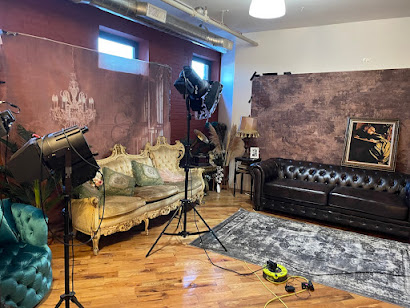
If you are in a hotel room, bedroom, or studio space with mixed practical lights, turn off whatever is hurting the scene and build your own light instead. Even one well-placed soft source is often better than a messy combination of ceiling light, lamp light, and window spill all fighting each other.
Mixed color temperatures are another issue. Warm lamps and cool daylight in the same frame can make skin correction annoying later. Keep the light sources simple whenever you can.
Match lighting to the mood of the session
Not every boudoir session should be lit the same way. The mood matters. Your Hollywood Portrait talks about tailoring sessions to the client’s style, whether that is sultry and sensual or soft and romantic. Lighting should follow that same logic.
For soft, romantic boudoir
Use broad soft light, gentle transitions, lower contrast, and open shadows. Window light or a large softbox works well here.
For moody, sensual boudoir
Use more directional light, deeper shadows, and stronger control over where the highlights land. Side light or a gridded soft source can help.
For glamour-inspired boudoir
Use cleaner face lighting, attention to catchlights in the eyes, and more polish in the highlight control. Hair light can also help if handled carefully.
For black and white boudoir
Think more about shape and contrast than color. Your Hollywood Portrait notes that retouched selections can also be turned into black and white versions, which makes lighting even more important because black and white depends heavily on tone separation. If the original lighting is weak, the black and white conversion usually feels flat too.
Light the face and body differently when needed
One reason boudoir is tricky is that the face and body do not always need the same thing. You may want soft flattering light on the face, but a little more shape on the torso or legs. Or you may want the body in deeper shadow while keeping the eyes alive.
This is where feathering the light helps. Instead of aiming the brightest center of the light directly at the subject, let the softer edge of the light fall across the face or body. This can control hot spots and create a smoother look. Flags, reflectors, and negative fill can also help you shape where light goes and where it does not.
You do not always need extra gear. Sometimes moving the subject six inches changes everything. Sometimes turning the chin slightly into or away from the light solves a face problem. Sometimes lifting the shoulder out of shadow is enough. Small moves matter.
Skin highlights need constant attention
Boudoir often includes bare shoulders, arms, legs, collarbones, and fabrics that reflect light. That means highlights can get ugly fast. A shiny patch on the thigh or chest can pull more attention than the face if you are not watching carefully.
This is one reason professional styling helps. The site emphasizes professional hair and makeup as part of the experience, which usually means the team is paying attention to how skin and beauty work will read on camera. But lighting still has to cooperate. Too direct a source can make even well-prepped skin look greasy instead of luminous.
Watch for:
- forehead hotspots
- nose shine
- chest reflection
- shoulder glare
- bright fabric clipping
- overexposed lace or satin detail
A reflector can help fill shadows, but it can also create more shine if overused. Use it carefully.
Common lighting mistakes in boudoir photography
Using light that is too small and too harsh
This exaggerates texture and makes the image feel harder than intended.
Lighting from the wrong angle
Good boudoir light usually shapes. Bad placement can widen, flatten, or distort.
Ignoring the background
A beautiful subject light setup can still fail if the background has ugly patches, clutter, or blown highlights.
Relying on room light
Ceiling fixtures and mixed light sources usually work against flattering boudoir.
Overfilling shadows
If every shadow is lifted, the image loses shape and mood.
Underexposing for mood without a plan
Dark does not automatically mean sensual. Sometimes it just means poorly exposed.
Forgetting catchlights
Dead eyes can happen even in an otherwise good setup if the light is not reaching them properly.
What happens if lighting is wrong
If the lighting is off, the whole shoot becomes harder. The subject may feel less confident because preview images look dull or harsh. Posing will not read as well. Skin retouching gets heavier. Color correction takes longer. The final set may feel inconsistent if the lighting changed too much from look to look.
Your Hollywood Portrait says the photographer typically captures between 60 and 100 photos depending on the package, with hair and makeup taking around an hour or a little more and the shoot itself lasting one to two hours. In that kind of session flow, stable lighting matters. If the setup is unreliable, you waste time fixing what should have been solved early.
Final thought
Boudoir lighting is not about making everything bright. It is about shaping the body, protecting skin tone, supporting the mood, and helping the subject look strong, polished, and real. Soft light is often the best starting point. Direction matters more than raw intensity. Shadows should be used with intention. Window light can be great, but only when controlled. Overhead room light is usually a bad shortcut. And the best results happen when lighting, posing, styling, and comfort are all working together, not fighting each other.
That is the real comprehensive guide. Not a giant equipment list. Just the parts that actually change the photo.
Contact us:
Boudoir Photography by Your Hollywood Portrait
2 Prince Street Suite 5014, Brooklyn, NY 11201
646-209-8198
xxx


Comments
Post a Comment